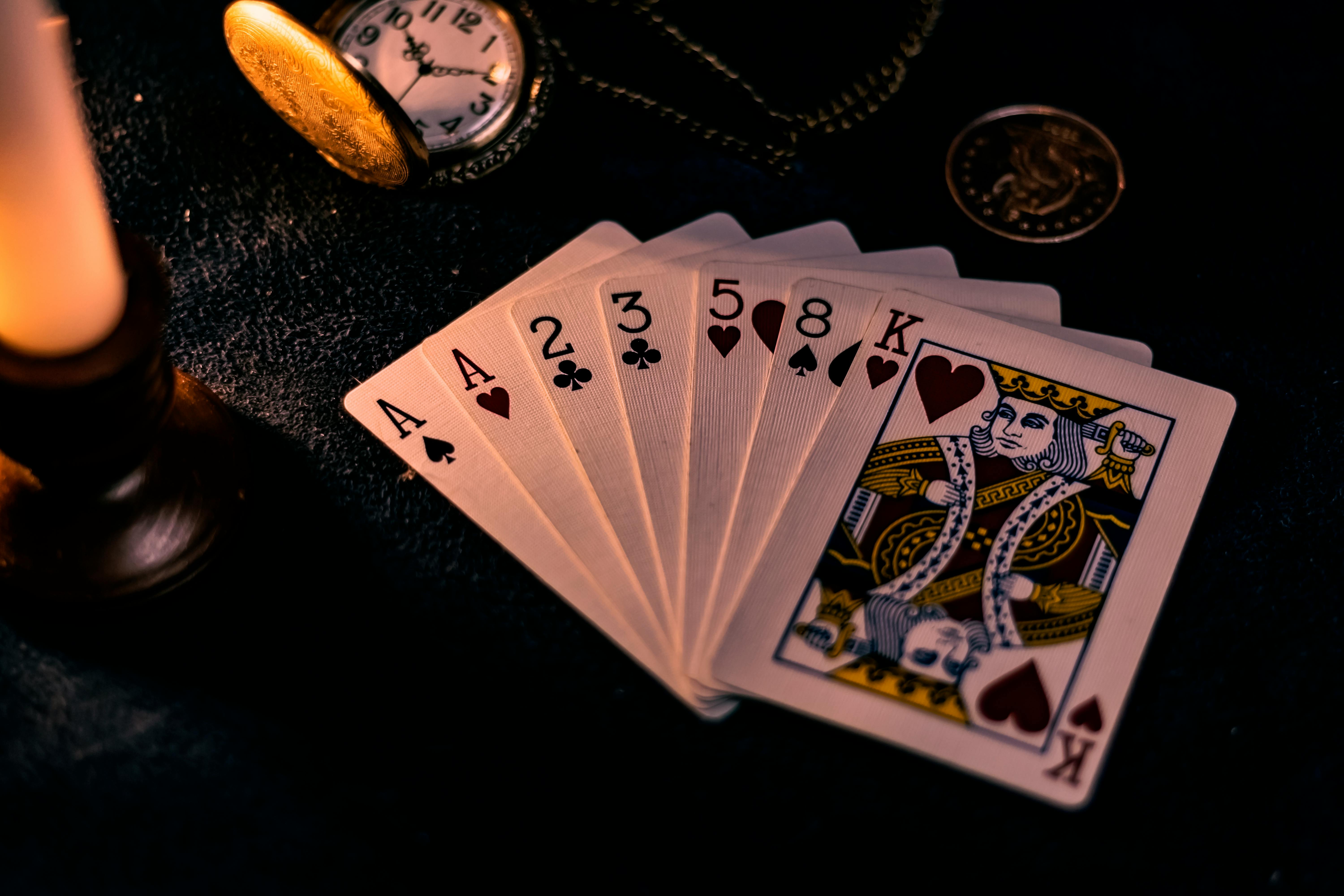
Writers return to gambling because it compresses human behaviour into a small and readable space. Risk, ego, money, fear, and luck all collide without requiring long explanations. A character can reveal their values in a single decision, which is efficient storytelling and honest craft.
Gambling also delivers consequences without moral commentary. A choice is made, the outcome arrives, and the damage or reward is immediate. Psychologists describe this as variable reward learning, where unpredictable outcomes reinforce behaviour more strongly than steady ones, a mechanism established in B F Skinner’s research on reinforcement schedules. On the page, that unpredictability keeps readers moving forward.
The Modern Bet and the Quiet Shift Indoors
Contemporary writers are no longer limited to card rooms and casinos. Gambling now happens privately, quickly, and without witnesses. Betting online, as you can with reputable platforms like Betway, changes how characters experience risk because the activity slips into ordinary life rather than standing apart from it.
This matters because research consistently shows online gambling is associated with higher levels of harm than land-based gambling. A systematic review in The Lancet Public Health links this to speed of play and constant availability. For writers, this opens narrative space. Tension can unfold in bedrooms, offices, or on public transport, which were once dead zones in gambling fiction.
What the Brain Does When the Stakes Are Real
Gambling scenes work because they mirror how the brain handles uncertainty. Decision making under risk activates reward systems and stress responses at the same time, particularly regions associated with anticipation and fear. Many studies summarise this neurological overlap.
On the page, this dual activation becomes suspense. The reader feels pulled toward a possible win and pushed away by potential loss, even when the sums are small. Writers do not need to explain this response. The biology does the work, which is why gambling scenes often feel visceral even when nothing violent happens.
Character Revealed Without Backstory
Gambling externalises internal conflict. A hesitation before a bet communicates doubt, while reckless play signals denial or bravado. This is why gambling scenes often appear early in stories, where writers need to establish character quickly.
Ian Fleming used this deliberately in Casino Royale, where card play functions as character assessment rather than decoration. Literary analysis notes that Bond’s composure under pressure replaces pages of exposition. The game is the biography.
Money, Class, and Who Can Afford to Lose
Gambling also allows writers to explore class without speeches. The same loss means something very different depending on who absorbs it. Sociological research shows higher income gamblers are more likely to frame losses as entertainment, while lower income gamblers more often see gambling as a financial strategy.
On the page, that difference sharpens conflict. Two characters can sit at the same table while playing entirely different games. Writers use this contrast because it reveals power dynamics quickly and without commentary, which suits grounded storytelling.
Familiar Logic Borrowed From Popular Culture
Gambling also works because audiences understand its narrative logic. In Breaking Bad, Walter White’s fabricated gambling winnings provide a believable explanation for sudden cash. Media scholars point out that gambling is culturally accepted as a place where money can appear and disappear without paperwork.
Writers borrow this logic because it reduces friction. Readers do not stop to question plausibility, which preserves momentum. The gamble becomes a narrative shortcut that feels earned rather than convenient.
Comedy, Confidence, and Getting It Wrong
There is humour in gambling because certainty often collapses in public. Cognitive psychology describes the illusion of control as a common bias where people overestimate their influence on random outcomes, a phenomenon that has been reviewed time and again by scientific journals.
Writers use this gap between confidence and reality for comedy that does not rely on jokes. A character convinced of their system only needs to lose once for the scene to land. The laughter comes from recognition rather than exaggeration.
Practical Craft Lessons for Writers
The best gambling sequences are about decisions, not game rules. The reader is interested not in the mechanics but in the risk being taken. A study on the stakes of narratives in writing reinforces that the impact of an event is more important than its precision.
Accuracy, however, is always necessary. Authors with knowledge of fundamentals do not draw attention away from their tale with distracting mistakes that jerk readers out of their tale. Used well, gambling scenes are not about glitz and glory. They are about stress, decision-making, and what is left over once the luck runs out.
Gambling persists in fiction because it is economical, flexible, and grounded in real psychology. It offers writers a way to show who a character is when chance removes the safety net. Studies from psychology, sociology, and neuroscience all point to the same conclusion. Uncertainty sharpens attention and exposes priorities. That is exactly what good stories need, which is why writers keep returning to the table.